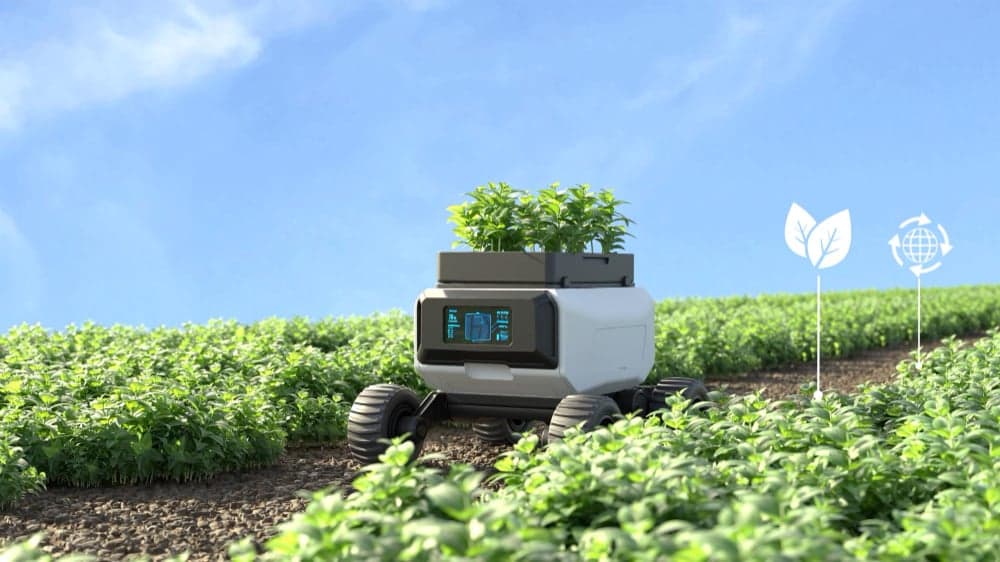
In the field, AI-powered tools assist farmers in optimizing crop management and reducing chemical usage. Precision agriculture technologies, such as autonomous tractors equipped with AI sensors, facilitate efficient mapping and data processing of vineyards, leading to better decision-making and reduced environmental impact. These advancements contribute to more sustainable and efficient farming operations, aligning with the principles of regenerative agriculture.
Furthermore, AI enhances supply chain management by improving demand forecasting and reducing waste. By analyzing market trends and predicting consumer demand, AI helps align production with actual needs, minimizing overproduction and resource wastage. This integration of AI into various aspects of agriculture not only supports environmental sustainability but also bolsters the economic viability of regenerative practices, paving the way for a more resilient and efficient food system.


